PHARMACY Program


Reliefsinus Program
Chronic rhinosinusitis complicated by biofilm rarely resolves with antibiotics alone. The Reliefsinus Program delivers personalized compounded therapy through nasal spray, atomization, or irrigation to address infection, inflammation, and biofilm together.
When is chronic rhinosinusitis treated?
The decision to treat inflamed sinus tissue depends on severity of symptoms and what other chronic conditions exist where the inflammation and/or infection has been determined to adversely affect a patient's health.
Symptoms of chronic rhinosinusitis may include:
- Tenderness or pressure in the face (particularly around the nose, eyes and forehead)
- Post nasal drip
- Nasal discharge or a stuffy nose
- Toothache, ear pain and/or headache
- Cough
- Tiredness
- Reduced sense of smell and taste
- Halitosis (bad breath)
Chronic rhinosinusitis is diagnosed when symptoms continue despite treatment for greater than three months. Your doctor may swab your nasal mucosa to identify an infection or use an endoscope to look inside your nose and sinuses. A CT scan or MRI could also be used to look for structural issues. Structural problems usually include a deviated nasal septum (the nose is shifted to the side) or polyps (growths).


How is chronic rhinosinusitis treated?
Whenever possible, doctors treat chronic rhinosinusitis by dealing with the underlying problem, including surgery if a structural problem is identified, the infectious overgrowth of bacteria or fungus, and provide relief through symptom management.
You may be able to prevent infections and chronic rhinosinusitis if you:
- Treat the underlying conditions behind chronic rhinosinusitis, such as asthma and allergies
- Avoid allergens such as animal dander, dust, pollen, smoke and mold that trigger swelling in the sinuses
- Quit smoking if you do smoke and avoid any secondhand smoke
- Rinse your nasal passages with saline solution alone or mixed with anti-histamines, or other medications to support symptom management
- Use a humidifier to keep nasal tissues moist
Topical sinus therapy and biotoxin illness
One of the most recent advances in topical sinus therapy has come from treating mold-related illness. Patients exposed to environments with mold often report rhinosinusitis alongside a variety of other symptoms. Topical treatment of the infection is an essential part of established treatment protocols for mold-related illness.
The Shoemaker Protocol, the most widely used protocol for mold illness, calls for compounded BEG nasal spray, a combination of Bactroban, EDTA, and gentamicin. EDTA is included as an anti-biofilm agent: if the biofilm is not disrupted first, the other active ingredients cannot effectively reach the underlying infection.
How can the Reliefsinus Program support management of my condition?
Our program is designed to educate our patients and families on symptom improvement, treatment of infection and underlying biofilm and general maintenance of sinus health. If combination therapy for relief of symptoms is prescribed or an infection is identified, we will partner with your provider to offer medication delivered by one of the following options:
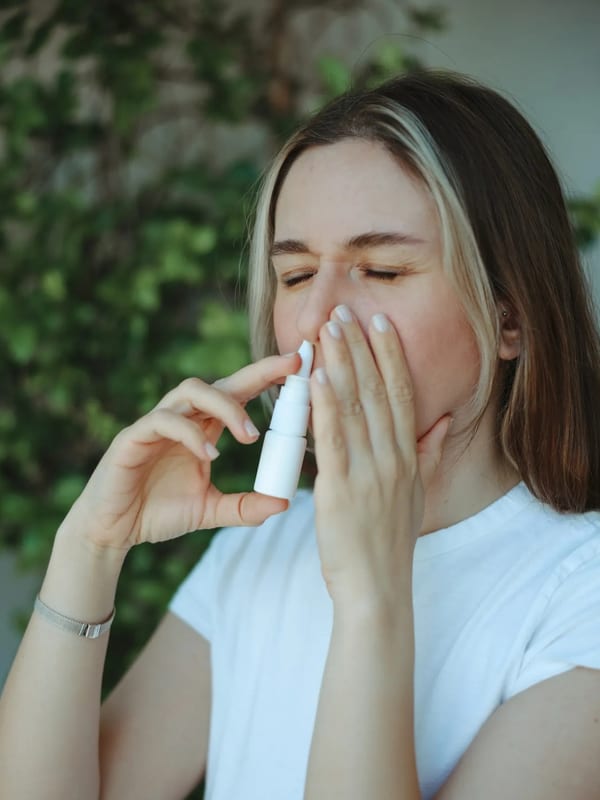
- Compounded Medication combinations delivered by Nasal Spray. A nasal spray bottle contains a solution with the medication already mixed. The nasal spray bottle provides a metered-dose of medication with each actuation.
- Compounded Medication combinations delivered by Atomization. The atomization method uses a battery-powered device to pump in liquid medication to the sinus area. The compact electronic atomizer releases the liquid medication into a fine mist that is nebulized into the sinus and nasal cavity regions.
- Compounded Medication combinations delivered by Nasal Irrigation. Nasal irrigation involves the use of a medicated saline solution to flush out the nasal passages and sinuses. This is accomplished by the use of the ResQRinse Nasal System that contains the mixed medication and saline solution.
- Compounded Medication combinations in an Oral Capsule. Oral capsules are compounded in combinations to offer chronic rhinosinusitis symptom management or relief from underlying conditions such as allergies.
What are possible compounded prescription medication combinations?
Treatment
- Rhinosinusitis Anti-Infective Therapy, including antibiotics or antifungal medications paired with anti-biofilm strategies to manage the infection.
- Rhinosinusitis Symptom Management Therapy, including both oral or nasal topical compounded medication combinations of steroids or leukotriene antagonists for rinse or atomization.
- Mold Toxicity Treatment Protocols by Dr. Neil Nathan, contain recommended compounded combinations of nasal sprays or topical application by sinus rinse or atomization as part of treatment protocols for mold toxicity and other environmentally acquired illnesses. Nasal treatments are frequently combined with other oral binding treatments like cholestyramine to help fully eradicate resistant infections after mold exposure.
Prevention
- Symptom Management Therapy to treat underlying conditions, such as allergies with oral or nasal topical compounded medication combinations of antihistamines, steroids, leukotriene antagonists, or mast cell stabilizers for rinse or atomization.
- Symptom Management Therapy with Reliefsinus Topical Caps, that contain N-acetylcysteine to support the sinus with removal of increased amounts of mucus. NAC can support the mucus to drain from the sinus area and may also have anti-inflammatory and antioxidant properties.
- Symptom Management Therapy with Theophylline Intranasal, to support loss of smell and taste caused by low levels of two proteins called cAMP and cGMP. A low level of these proteins in nasal mucus inhibits the production of olfactory receptor cells. Theophylline can increase levels of cAMP and cGMP to improve sense of smell and sense of taste. Theophylline delivered by nasal spray or atomizer may also help reduce inflammation that can be a contributing factor in loss of smell and taste.

Compounded nasal and topical prescriptions are formulated in partnership with your provider as part of the Reliefsinus Program to:
- Disrupt and remove the biofilm protecting pathogenic organisms in the sinus cavity that resist standard antibiotic rinse therapy.
- Deliver targeted anti-infective combinations, including antibiotics, antifungals, and anti-inflammatory agents, via nasal rinse or atomization directly to the site of infection.
- Support symptom management and mucosal healing with compounded formulations tailored to the patient's identified organisms and clinical picture.
Follow the STATs
N-acetylcysteine (NAC), used as an anti-biofilm agent in compounded sinus formulations, disrupted biofilm structure in up to 90% of tested bacterial strains at clinically achievable concentrations. By breaking down the extracellular matrix that shields pathogens from antibiotics, NAC allows co-administered anti-infective agents to penetrate and clear the underlying sinus infection rather than being blocked at the biofilm surface.
Zhao T, et al. N-acetylcysteine inhibits biofilms produced by Pseudomonas aeruginosa. J Med Microbiol. 2010;59(Pt 1):20–25. doi:10.1099/jmm.0.011981-0
In patients with chronic rhinosinusitis who had failed standard oral antibiotic therapy, topical antibiotic irrigation delivered directly to the sinus mucosa achieved symptom resolution in up to 73% of cases. Delivering medication to the site of infection, rather than relying on systemic absorption to reach a biofilm-protected environment, was identified as the critical factor in overcoming treatment resistance.
Desrosiers MY, Salas-Prato M. Treatment of chronic rhinosinusitis refractory to other treatments with topical antibiotic therapy delivered by means of a large-particle nebulizer. Otolaryngol Head Neck Surg. 2001;125(3):265–269. doi:10.1067/mhn.2001.117560
In a double-blind, placebo-controlled trial, patients with mold-driven chronic rhinosinusitis treated with topical antifungal nasal irrigation showed a 75% reduction in mucosal thickening scores compared to placebo. By targeting the fungal organisms that sustain the biofilm environment in the sinus cavity, topical antifungal therapy interrupted the inflammatory cycle that standard antibiotics alone cannot resolve.
Ponikau JU, et al. Intranasal antifungal treatment in 51 patients with chronic rhinosinusitis. J Allergy Clin Immunol. 2002;110(6):862–866. doi:10.1067/mai.2002.130051
Connect with us
Customicro Clinical Services is partnered with Customedico Pharmacy + Wellness, an independently owned compounding pharmacy dedicated to the provision of personalized medications to meet the unique needs of our patients.
Reach out to learn how Customicro Clinical Services can support your patients.
10900 N. Scottsdale Rd #403, Scottsdale, AZ 85254
480-946-1345