Why target biofilms?
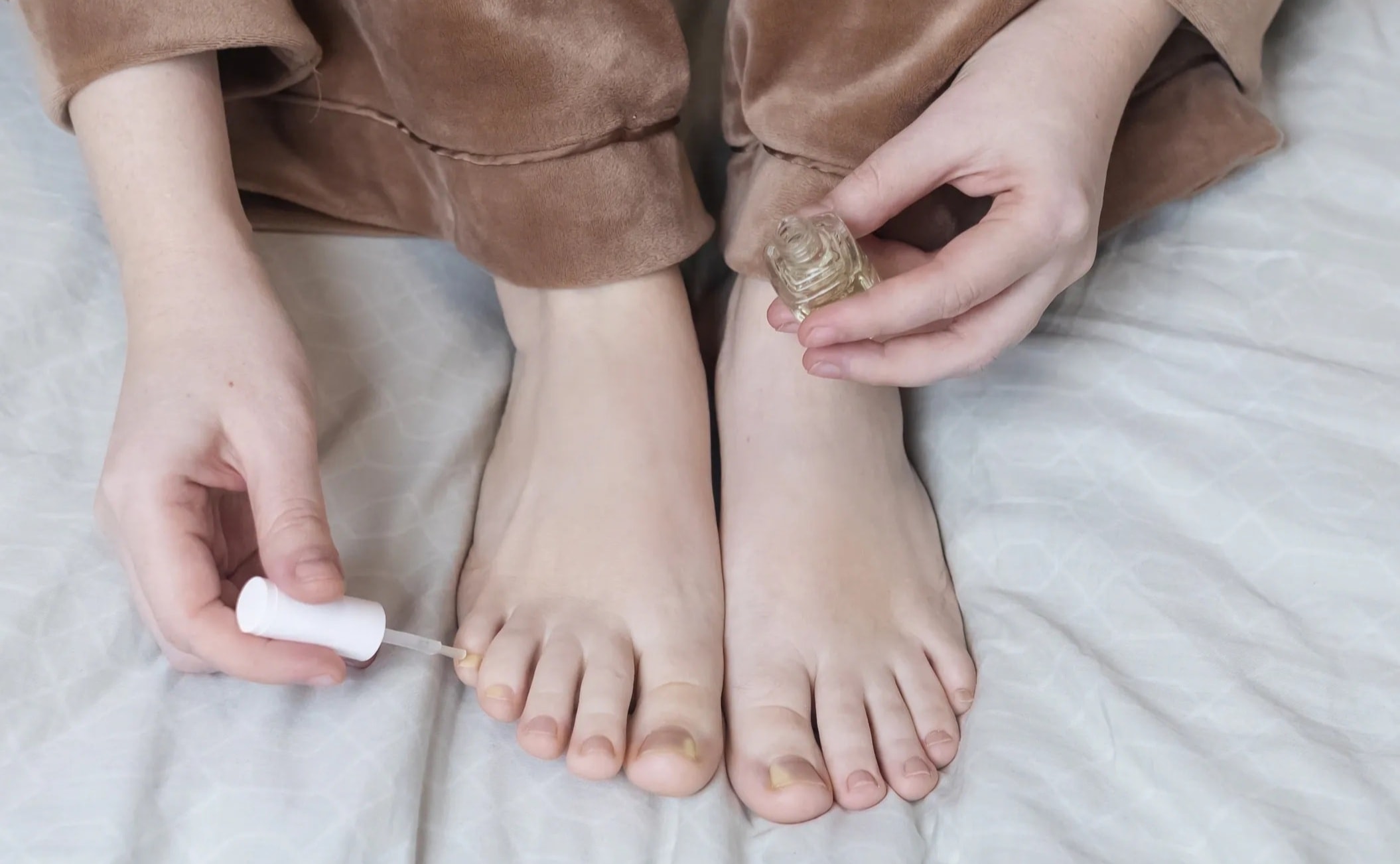
Evidence suggests the abnormally difficult-to-treat nature of onychomycosis may be caused by the formation of biofilms. To address the possible role of biofilms in onychomycosis, anti-biofilm treatment is suggested in combination with traditional antifungals.
With the rise in predisposing factors, it is important to prevent early and address treatment with continued investigation into anti-biofilm therapy including optimal treatment combinations and dosages targeted specifically to dermatophytes.
1000X
Once a mature bacterial biofilm is established, the high antibiotic dosage necessary for effective treatment can be inhibitory as a decreased susceptibility of up to 1000 fold has been documented.
Gupta, AK et al. The Role of Biofilms in Onychomycosis. J Am Acad Dermatology 2016; 74:1241-6.
8816
A total of 8816 clinically suspicious toenail samples were collected by podiatric physicians across the United States. PCR-generation sequencing and quantitative PCR were used to identify and quantify dermatophytes, non-dermatophyte molds, and bacteria.
50%
Approximately 50% of suspicious toenails contained both fungi and bacteria with the dermatophyte Trichophyton rubrum contributing the highest relative abundance and presence in 40% of these samples.
34%
Of the remaining samples, 34% had bacterial species present.
Annetto, et al. Fungal Diversity and Onychomycosis. J Am Podiatr Med Assoc 2019; 109(1): 57–63.
<1%
Fungi only were present in less than 1% of samples.