PHARMACY Program


CustomGut Gut Health Program
Gut dysbiosis, SIBO, and biofilm-protected pathogens are common contributors to persistent GI symptoms. The Customgut Program pairs TargetedRx therapy with dietary support to remove harmful organisms and restore a healthy gut environment.
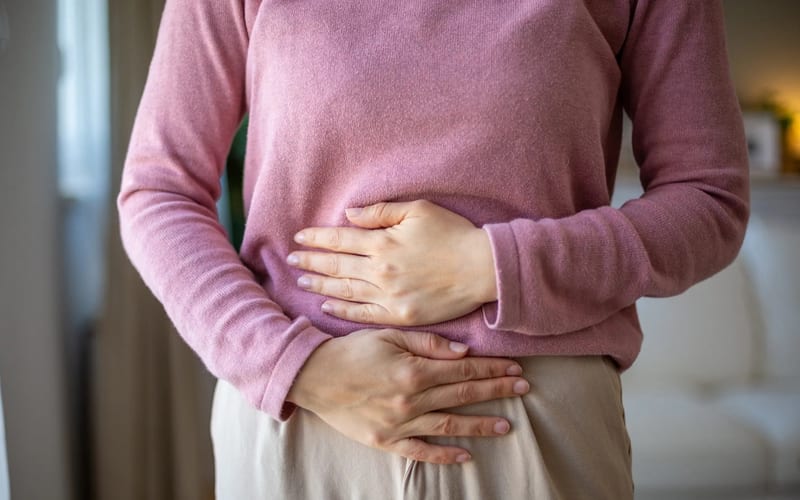
When is SIBO treated?
The decision to treat SIBO relies on severity of symptoms and what other chronic conditions exist where the overgrowth has been determined to adversely affect a patient's health. Common diagnostic tests include:
Breath testing
A noninvasive test measuring hydrogen or methane exhaled after drinking a glucose-water mixture. A rapid rise in exhaled gas may indicate bacterial overgrowth in the small intestine.
Small intestine aspirate and fluid culture
Doctors pass an endoscope through the upper digestive tract to the small intestine, withdraw a fluid sample, and test it in a laboratory for bacterial growth.
Whenever possible, doctors treat SIBO by addressing the underlying problem (including surgery if a structural issue is identified) along with treating the overgrowth itself and its complications.
How the Customgut SIBO Program supports management
Our program is designed to educate patients and families on improvement and maintenance of gut health. If SIBO is identified, we partner with your provider to offer:
01
Anti-Infective Therapy
Antibiotics or herbal blends paired with anti-biofilm strategies and diet modifications to manage the infection.
02
Nutritional Repair
Support for vitamin or mineral deficiencies, pre- and probiotics, or enzyme replacement to restore absorption.
03
Prokinetic Agents
Targeted agents to improve gastric motility and prevent recurrence of bacterial overgrowth.
The Customgut 5R Reset Program
The gut, spanning from your mouth to your anus, is home to trillions of bacteria, fungi, and other microorganisms. It also contains about two-thirds of your immune system, plays a key role in producing most of your neurotransmitters, influences your metabolism, helps regulate energy balance, and so much more.
Many people assume that the absence of gastrointestinal issues indicates a healthy gut, but this is far from the truth. While digestive symptoms such as bloating, gas, constipation, diarrhea, and abdominal pain are common, it's equally common for gut disturbances to present through neurological symptoms. Issues like brain fog, poor concentration, memory problems, depression, and anxiety can all be linked to gut health, as the gut and brain are in constant communication through the gut-brain axis. When gut function is compromised, brain function can suffer as well. Additionally, the gut has a significant impact on other areas of health, including the skin, immune system, including the risk of autoimmune diseases, blood sugar regulation, detoxification, and mitochondrial function.
The Customgut 5R Reset Program concentrates on five steps to restore natural gut balance.
- 1Remove stressors + gut irritants
- 2Replace nutrients + bile + stomach acid
- 3Repopulate pre + probiotics
- 4Repair the intestinal wall
- 5Rebalance your lifestyle
Step 1 — Remove
The first and very important step in gut resetting involves removing all the bad actors that are causing your gut issues. Continued exposure to these insults will result in continuing problems. These may include:
Food
Food sensitivities can significantly impact gut health, yet many people are unaware they have them. These sensitivities can lead to a variety of symptoms, including but not limited to headaches, acne, joint pain, constipation, and anxiety. Common sensitivities include gluten, dairy, soy, and eggs, but each person's body is unique. To determine which foods may be causing issues, you can try an elimination diet with common offenders or undergo a food sensitivity test. Testing is more reliable than guessing if you want to achieve the best results.
Cleansing your gut can be an effective way to improve overall health and well-being. Here are some natural methods to help remove toxins from your gut:
- High-Fiber Foods: Incorporate more high-fiber fruits and vegetables into your diet. Fiber acts like a broom, sweeping waste and toxins out of your digestive tract. Examples of high-fiber foods include apples, berries, broccoli, and leafy greens.
- Fermented Foods: Add fermented foods, such as yogurt, sauerkraut, and kimchi, to your meals. These foods are rich in probiotics, which help replenish healthy bacteria in your gut.
- Hydration: Drink plenty of water to help flush out toxins and keep your digestive system running smoothly.
- Limit Processed Foods: Reduce your intake of processed foods, which can introduce harmful chemicals and toxins into your body.
- Herbal Teas: Consider drinking herbal teas like ginger, peppermint, and dandelion root. These teas can support digestion and detoxification.
- Regular Exercise: Engage in regular physical activity to promote healthy digestion and reduce inflammation.
By incorporating these practices into your routine, you can help support your body's natural detoxification processes and maintain a healthy gut.
Infections, Pathogens, Bacteria, and Parasites
Infections and Pathogens
Parasitic infections such as Giardia and Toxoplasmosis can cause symptoms like fever, fatigue, intestinal discomfort, skin rashes, or neurological issues. These infections can be contracted from contaminated food, water, surfaces, insect bites, or by eating undercooked meat.
Gut Bacteria
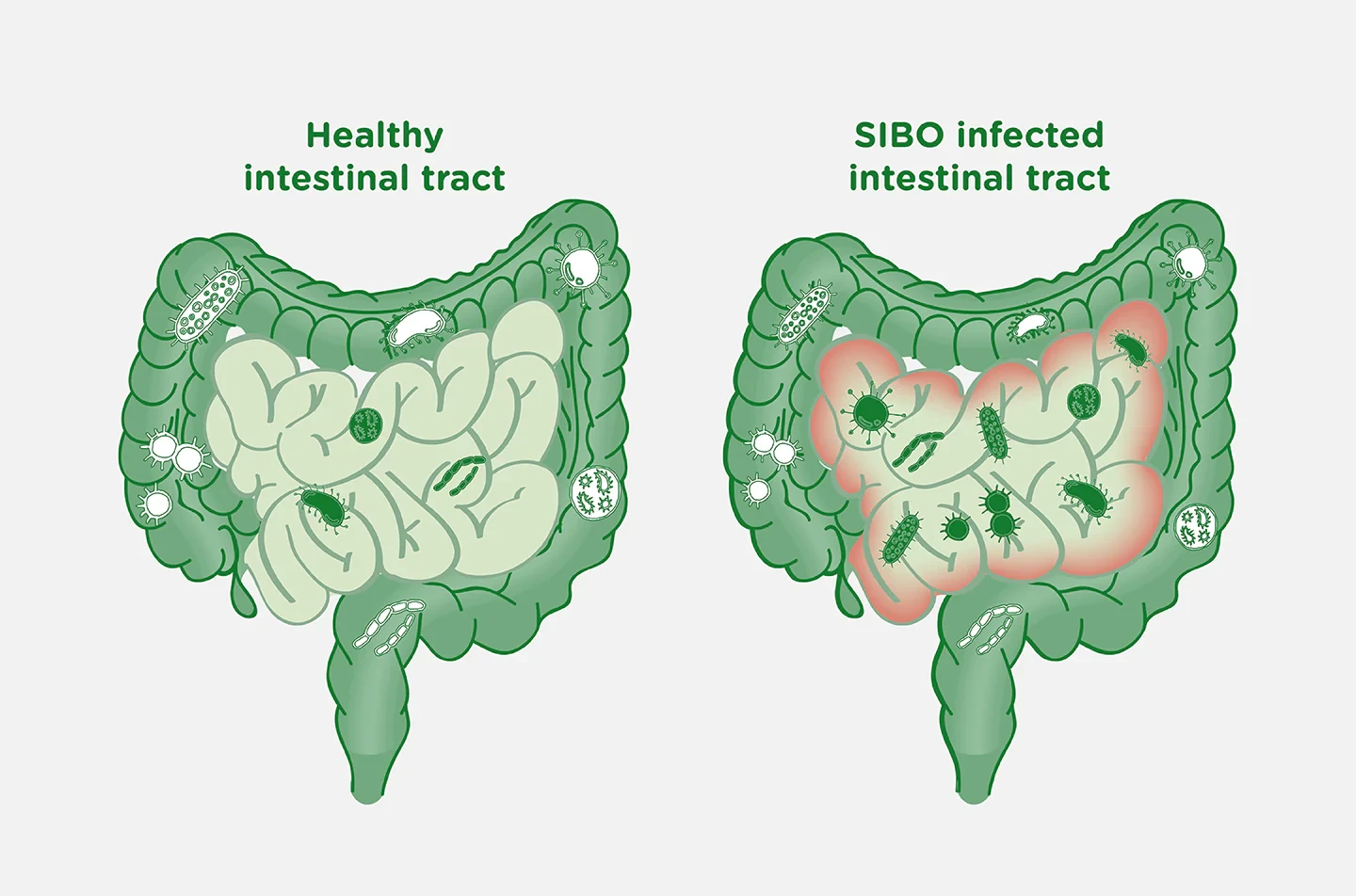
The gut microbiome consists of trillions of bacteria that play a crucial role in digestion, immune function, and overall health. A healthy gut microbiome is diverse and balanced, with beneficial bacteria like Lactobacillus and Bifidobacterium helping to keep harmful bacteria in check. Disruptions in this balance, known as dysbiosis, can lead to various health issues, including inflammatory bowel disease (IBD), obesity, and even mental health disorders.
To maintain a healthy gut and protect against infections, pathogens, bacteria, and parasites, consider the following tips:
- Balanced Diet: Eat a diet rich in fiber, probiotics, and prebiotics to support a healthy gut microbiome.
- Hydration: Drink plenty of water to help flush out toxins and support digestion.
- Hygiene: Practice good hygiene, including regular handwashing, to prevent the spread of infections and parasites.
- Avoid Contaminated Food and Water: Be cautious when consuming food and water from unreliable sources, especially when traveling.
- Regular Check-ups: Consult with a healthcare professional if you experience persistent gut issues or suspect an infection.
Stress
Stress can significantly impact gut health. The connection between the gut and the brain is so strong that it's often referred to as the "gut-brain axis." Here's how stress can affect your gut, along with some tips to manage it:
How Stress Affects Gut Health:
- Digestive Issues: Stress can either slow down or speed up the movement of food through your digestive tract, leading to symptoms such as constipation, diarrhea, or bloating.
- Gut Flora Imbalance: Chronic stress can disrupt the balance of beneficial bacteria in your gut, weakening your immune system and making you more susceptible to illnesses.
- Inflammation: Stress can trigger inflammation in your gastrointestinal tract, potentially exacerbating conditions like irritable bowel syndrome (IBS) or inflammatory bowel disease (IBD).
- Increased Gut Permeability: High levels of stress can increase gut permeability, often referred to as "leaky gut," which allows toxins and undigested food particles to pass into the bloodstream.
Tips to Manage Stress and Improve Gut Health:
- Mindfulness and Meditation: Practicing mindfulness and meditation techniques can help reduce stress levels and promote a sense of calm.
- Exercise: Regular physical activity, such as yoga, walking, or even dancing, can help manage stress and improve gut motility.
- Balanced Diet: Eat a balanced diet rich in fiber, probiotics, and prebiotics to support healthy gut flora.
- Adequate Sleep: Ensure you get enough sleep each night to help your body repair and manage stress better.
- Stress Management Techniques: Find stress management techniques that work for you, such as deep breathing exercises, hobbies, or talking to a friend or therapist.
Step 2 — Replace
Start by replacing missing elements vital for digestion, such as digestive enzymes, betaine HCL, and ox bile. Ox bile plays a crucial role in digestion by increasing the absorption of fat-soluble vitamins. Bile plays a role in toxin elimination by helping excrete fat-loving toxins and having antimicrobial properties that keep gut bacteria balanced.
To replace, you can use supplements tailored to your body's needs. Additionally, consume foods that stimulate stomach acid and digestive enzymes, such as bitters. These supplements help your body break down fats, carbohydrates, and proteins more effectively.
Step 3 — Repopulate
Good bacteria in your gut can be crowded out by opportunistic bacteria or killed off by drugs like antibiotics. To restore balance, incorporate fermented foods or probiotic supplements into your diet. Prebiotics are also essential for feeding the good bacteria.
Step 4 — Repair
Repairing your gut is crucial for long-term gut health. Focus on healing the gut lining, mucosa, and inflammation-induced damage. Vitamins A, C, E, and D, zinc, collagen, and amino acids, especially L-glutamine, are essential for repair. Herbs like marshmallow root, slippery elm, and aloe vera are soothing to the gut. Bone broth is excellent for gut repair, but if you have reactions to histamine, it should be avoided.
Compounded prescriptions or oral supplements containing sodium butyrate may help to feed the bacteria that repair the mucous lining of the gut.
Step 5 — Rebalance
The 5R Reset Program will only be successful long-term if you don't return to old habits. To truly rebalance your gut, consider lifestyle changes that support gut health. Rebalancing requires a holistic approach, addressing all areas of your life that may contribute to poor gut health.
Healing your gut is not a quick fix. It requires effort, consistency, and sometimes trial and error. Lifestyle changes can be difficult, but with support and accountability, the rewards are worth the effort to a well lived life.

Compounded prescriptions are formulated in partnership with your provider as part of the Customgut Program to:
- Target the specific bacterial overgrowth or dysbiosis identified through diagnostic testing with customized anti-infective therapy.
- Disrupt biofilm-protected organisms in the gut that resist standard antibiotic or herbal treatment protocols.
- Support intestinal repair and microbiome restoration with compounded sodium butyrate or other gut-lining agents alongside probiotic repopulation.
Follow the STATs
Rifaximin, the most commonly prescribed antibiotic for SIBO, achieves bacterial eradication in only up to 49% of patients, meaning more than half of patients do not clear the overgrowth with standard antibiotic therapy alone. A targeted, multi-step approach that addresses biofilm, motility, and microbiome restoration is needed to improve outcomes beyond what antibiotics can achieve independently.
Pimentel M, et al. The effect of a nonabsorbed oral antibiotic (rifaximin) on the symptoms of the irritable bowel syndrome. Ann Intern Med. 2006;145(8):557–563.
In patients where SIBO was successfully eradicated, more than 75% experienced significant improvement in IBS symptoms, demonstrating that resolving the underlying bacterial overgrowth, rather than managing symptoms alone, produces meaningful and durable clinical outcomes. This supports a treatment strategy that targets the root cause rather than symptom suppression.
Pimentel M, et al. Eradication of small intestinal bacterial overgrowth reduces symptoms of irritable bowel syndrome. Am J Gastroenterol. 2000;95(12):3503–3506.
N-acetylcysteine (NAC), a key biofilm-disrupting agent, has been shown to reduce gut-associated biofilm biomass by up to 60%. By breaking down the extracellular matrix that shields bacteria from antibiotics, NAC helps restore antibiotic access to the underlying organisms and supports more complete eradication when combined with targeted antimicrobial therapy.
Zhao T, et al. N-acetylcysteine inhibits biofilms produced by Pseudomonas aeruginosa. J Med Microbiol. 2010;59(Pt 1):20–25.
Connect with us
Customicro Clinical Services is partnered with Customedico Pharmacy + Wellness, an independently owned compounding pharmacy dedicated to the provision of personalized medications to meet the unique needs of our patients.
Reach out to learn how Customicro Clinical Services can support your patients.
10900 N. Scottsdale Rd #403, Scottsdale, AZ 85254
480-946-1345